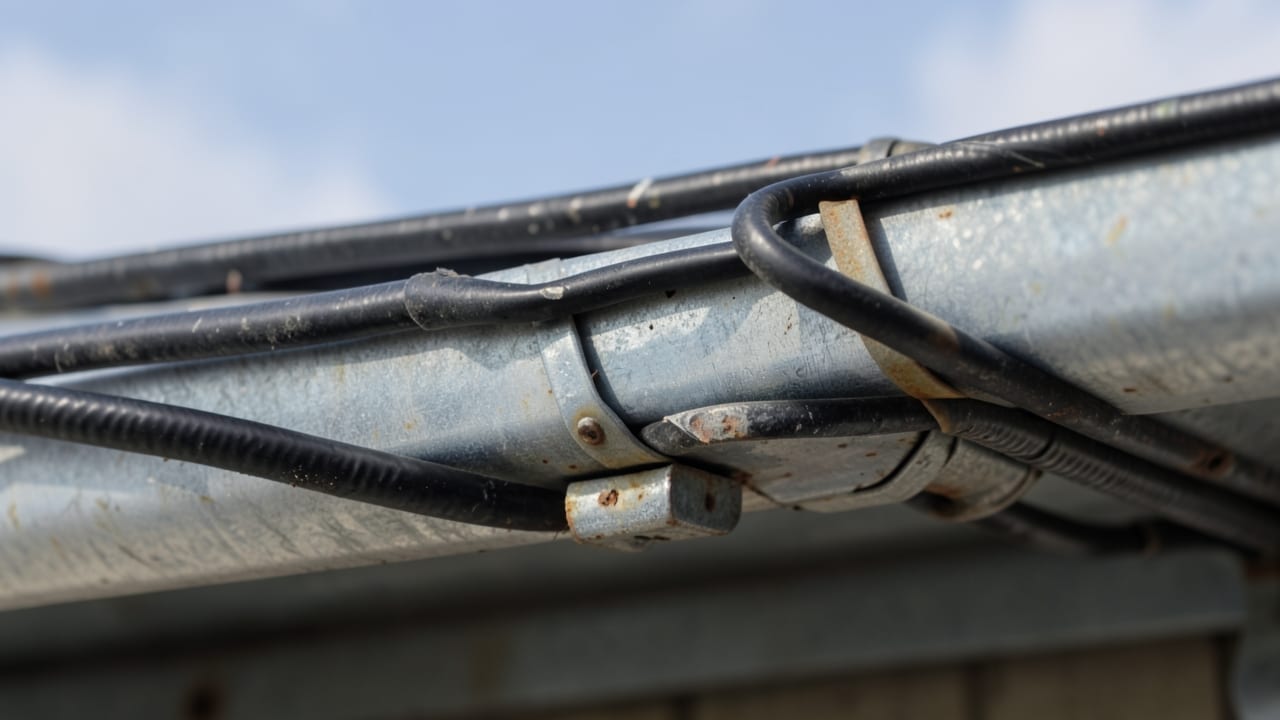
Gutter Heating System Installation
Installation of heating systems in gutters to prevent ice dams and clogging.
Mill Creek’s cold, wet winters create ideal conditions for ice dams and gutter blockages, leading to costly water damage. A gutter heating system installation prevents these issues by embedding electric heat cables or mats into gutters and downspouts. This proactive solution ensures smooth drainage year-round, protecting your home’s foundation, roof, and siding from freeze-thaw cycles and ice buildup.
Why gutter heating systems are essential in Mill Creek
Mill Creek’s climate—with frequent rain, snow, and sub-freezing temperatures—makes gutters particularly vulnerable to ice dams. These dams force water under shingles, causing leaks, mold, and structural damage. A heating system eliminates this risk by maintaining a consistent temperature along the gutter run, preventing ice buildup before it starts.
We also handle Patio Gutter Downspout Alignment and Clogged Gutter Debris Removal for Mill Creek properties.
Beyond ice dams, heating systems also address persistent moisture issues. Standing water in gutters during freeze-thaw cycles expands and contracts, weakening seams and causing rust or separation. By keeping gutters clear, the system extends the lifespan of your gutter material—whether aluminum, vinyl, or steel—while reducing the need for frequent repairs.
Signs Your Gutters Need a Heating System
- Ice dams forming along the roofline, causing water to back up under shingles or overflow at the edges.
- Visible gaps or sagging in gutter sections after freeze-thaw cycles, indicating weakened seams or hangers.
- Water pooling in gutters or downspouts even after a storm, suggesting poor pitch or blockages from ice.
- Rust holes or soft, flaking patches in gutter material, signaling advanced corrosion from prolonged moisture exposure.
- Downspouts overflowing at the top during heavy rain or snowmelt, a sign of undersized drainage for the roof area.
How installation differs from standard gutter repairs
Unlike routine gutter cleaning or patch repairs, heating system installation requires precise integration of electrical components into an existing or newly installed gutter system. This includes embedding heat cables or mats along the gutter trough and downspouts, which must be securely fastened and sealed to prevent water intrusion at connection points.
The process begins with a thorough inspection of the current gutter setup—checking pitch, hanger integrity, and fascia condition—to ensure the heating system will function optimally. Damaged sections are replaced, and the system is tested for proper heat distribution before finalizing connections. This level of detail ensures the heating system complements, rather than compromises, your gutter’s structural integrity.
| Issue | Root Cause | Solution |
|---|---|---|
| Water sitting in gutters after storms | Incorrect pitch (level instead of sloped toward downspout) | Adjust pitch to ¼" drop per 10 ft of run; re-seal seams if needed |
| Downspouts overflowing during heavy rain | Undersized downspout for roof area | Upgrade to a larger downspout or add a secondary outlet |
| Gutter sections pulling away from fascia | Hangars fastened only to trim (not framing) | Re-hang using screws into rafter tails or solid framing |
| Seam gaps or active drips | Failed sealant from age or poor application | Replace sealant with gutter-specific caulk; re-check pitch |
Preventing future issues: maintenance and inspections
Gutter heating systems are a long-term investment, but their effectiveness depends on regular upkeep. After installation, schedule inspections twice yearly—before winter and after spring storms—to check for loose hangers, degraded sealant, or signs of ice buildup. Addressing these issues early prevents costly repairs and extends the system’s lifespan.
Homeowners should also monitor downspout performance, especially after roof additions or major storms. A downspout that overflows despite clear gutters may need resizing or an auxiliary outlet. Similarly, standing water in gutters after rain indicates a pitch issue, which can be corrected during routine maintenance visits.
How gutter heating system installation works
Installation combines electrical heating elements with gutter repair or replacement for year-round protection.
- 1Inspect Existing System
The crew examines gutter pitch, hanger spacing, and fascia condition. Damaged sections or improperly installed components are flagged for repair or replacement before proceeding.
- 2Measure and Prepare Gutters
Gutters are measured for length, corners, and downspout placement. Damaged sections are removed, and new stock is cut or seamed to fit the roofline exactly.
- 3Install Heat Cables/Mats
Electric heat cables or mats are embedded along the gutter trough and downspouts, secured with weatherproof fasteners. Seams and connections are sealed with gutter-specific caulk to prevent water intrusion.
- 4Test and Finalize
The system is tested for even heat distribution, and downspouts are checked for proper water flow. Hangers are tightened into solid framing, and pitch is verified to ensure drainage toward the downspout.
- 5Safety and Compliance Check
Electrical connections are inspected for safety, and the system is verified to meet local codes. A written scope of work is provided, detailing coverage, disposal methods, and any additional repairs made.
Frequently asked questions
Will a gutter heating system work with my existing gutters?
Yes, but only if your gutters are structurally sound. The installation crew will inspect for rust, sagging, or improper pitch. If sections are beyond repair, they’ll be replaced during the process to ensure the heating system integrates seamlessly.
How long does the installation take for an average Mill Creek home?
Most installations take 1–2 days for a single-story home, depending on gutter length and complexity. Multi-story homes or those with steep roofs may require additional time for safety measures and precise measurements.
Do I need to shut off power during installation?
Yes, the electrical work requires temporary power shutdown. The crew will coordinate this with you to minimize disruption, typically completing the installation in a single visit.
Will the heating system prevent all ice dams?
It will eliminate ice dams in gutters and downspouts, but attic insulation and ventilation must also be adequate. A heating system is most effective when combined with proper attic temperature control to prevent ice buildup at the roof’s edge.
Where Mill Creek sits, and what the Census lists nearby
Mill Creek sits in Washington, and the closest places listed in the U.S. Census Gazetteer are Martha Lake (1.8 miles southwest), Lake Stickney (2.1 miles west), Mill Creek East (2.3 miles southeast), Larch Way (2.5 miles southwest). Within 25 miles of Mill Creek the same source lists 96 distinct incorporated places and census-designated places. Those figures matter for gutter heating system installation because they are straight-line distances between Census coordinate points: road mileage between Mill Creek and Martha Lake runs longer than the 1.8 miles shown, which is why quotes for the same job differ between towns that look close together on a map. Source: U.S. Census Bureau Gazetteer.
See Snohomish, WA for more, or browse how our Mill Creek crew can help across the area for our complete lineup.
Ready to get started?
Talk to a local gutter cleaning pro in Mill Creek — get a written quote.
Other Gutter Cleaning Services in Mill Creek
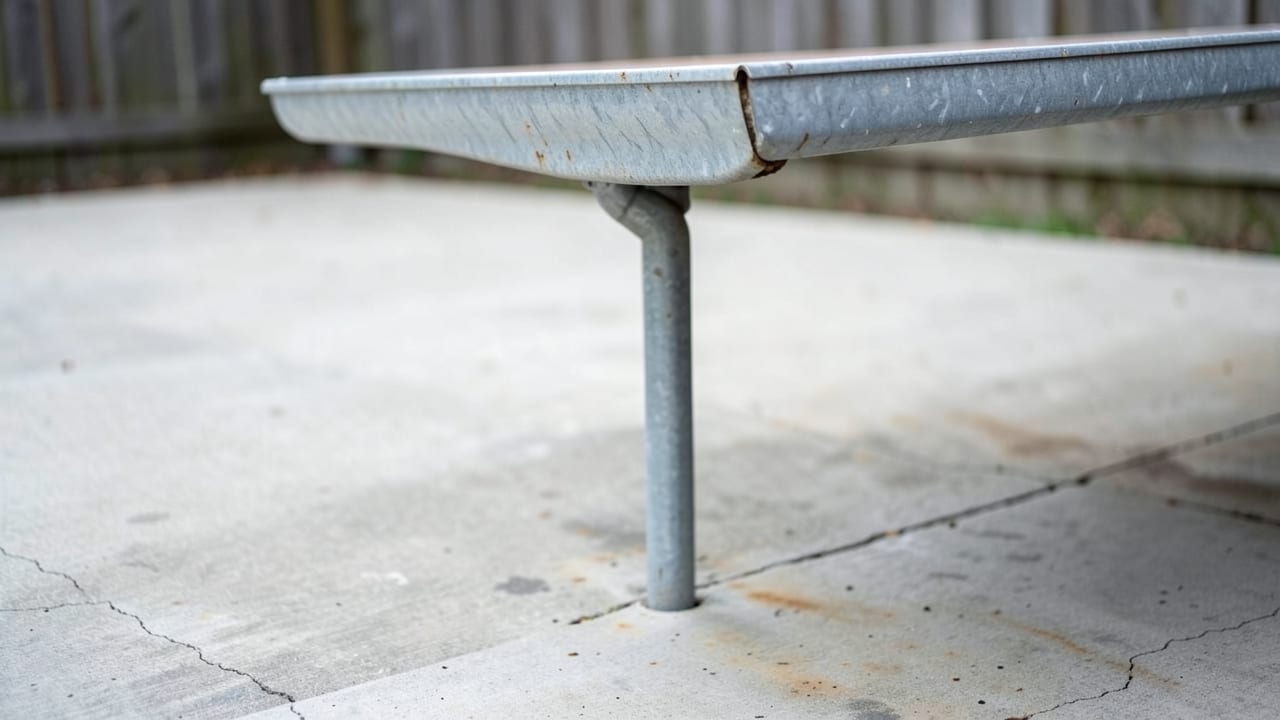
Patio Gutter Downspout Alignment in Mill Creek, WA
Adjusting patio gutter downspouts to ensure proper drainage and alignment.
Learn More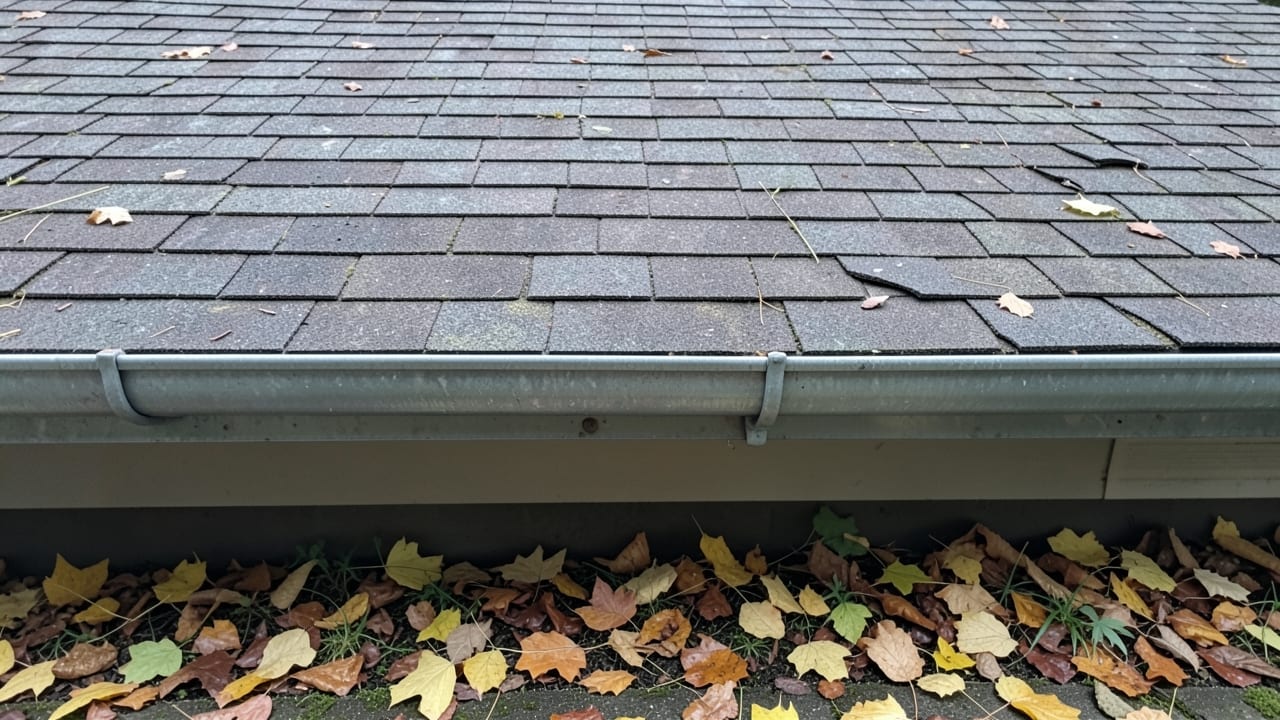
Clogged Gutter Debris Removal in Mill Creek, WA
Removal of leaves, twigs, and sediment from gutters to restore proper water flow.
Learn More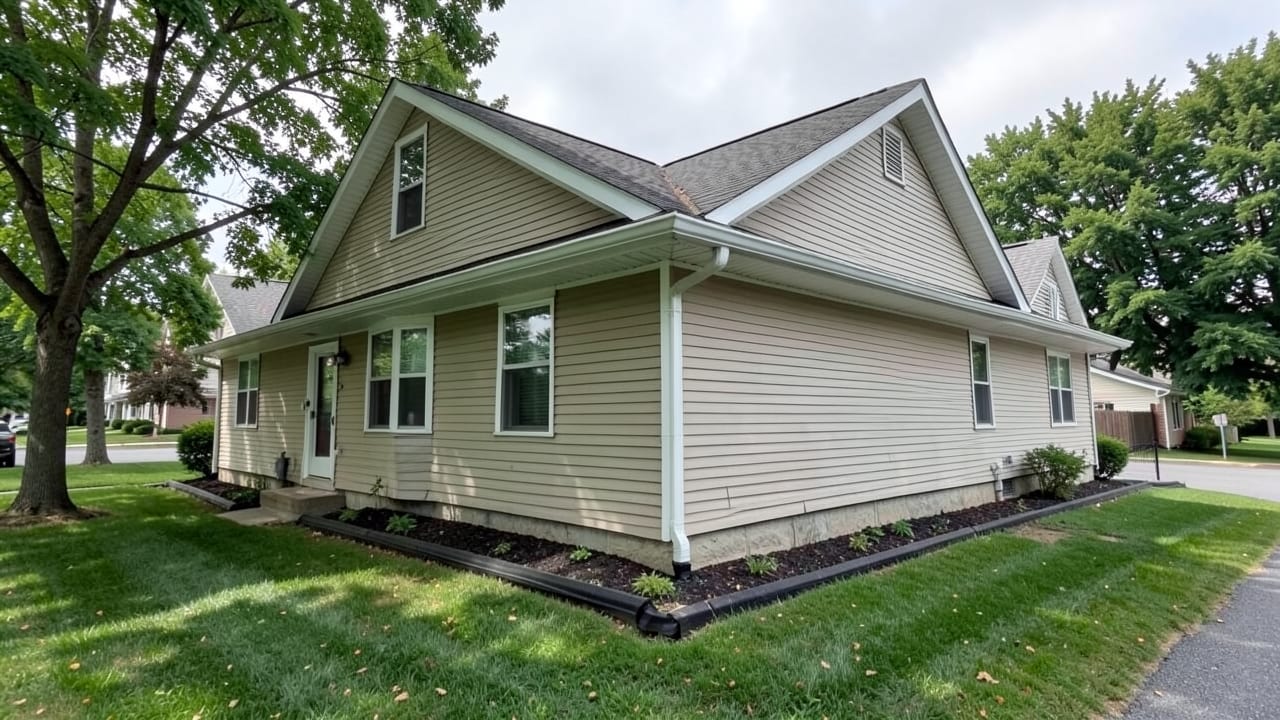
Overflowing Gutter Water Diversion in Mill Creek, WA
Redirecting excess gutter water to prevent damage and erosion around the home.
Learn More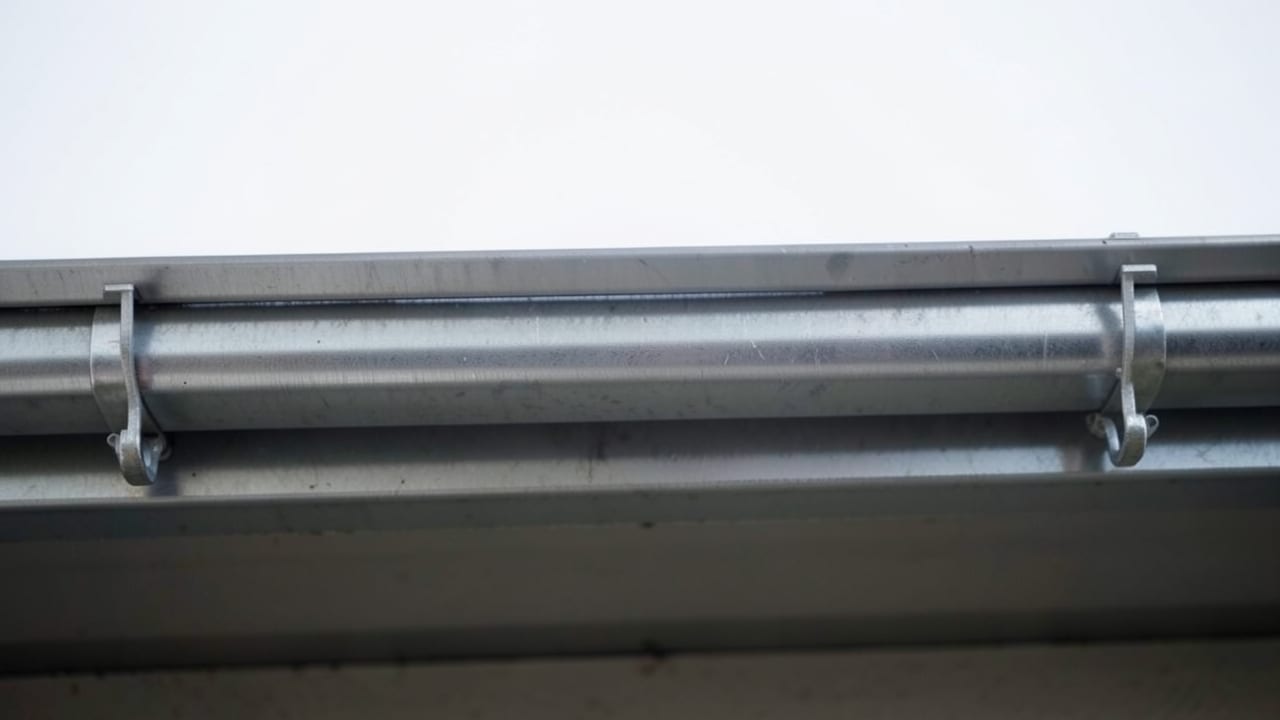
Sagging Gutter Reinforcement in Mill Creek, WA
Reinforcing sagging gutters to restore proper drainage and prevent water damage.
Learn More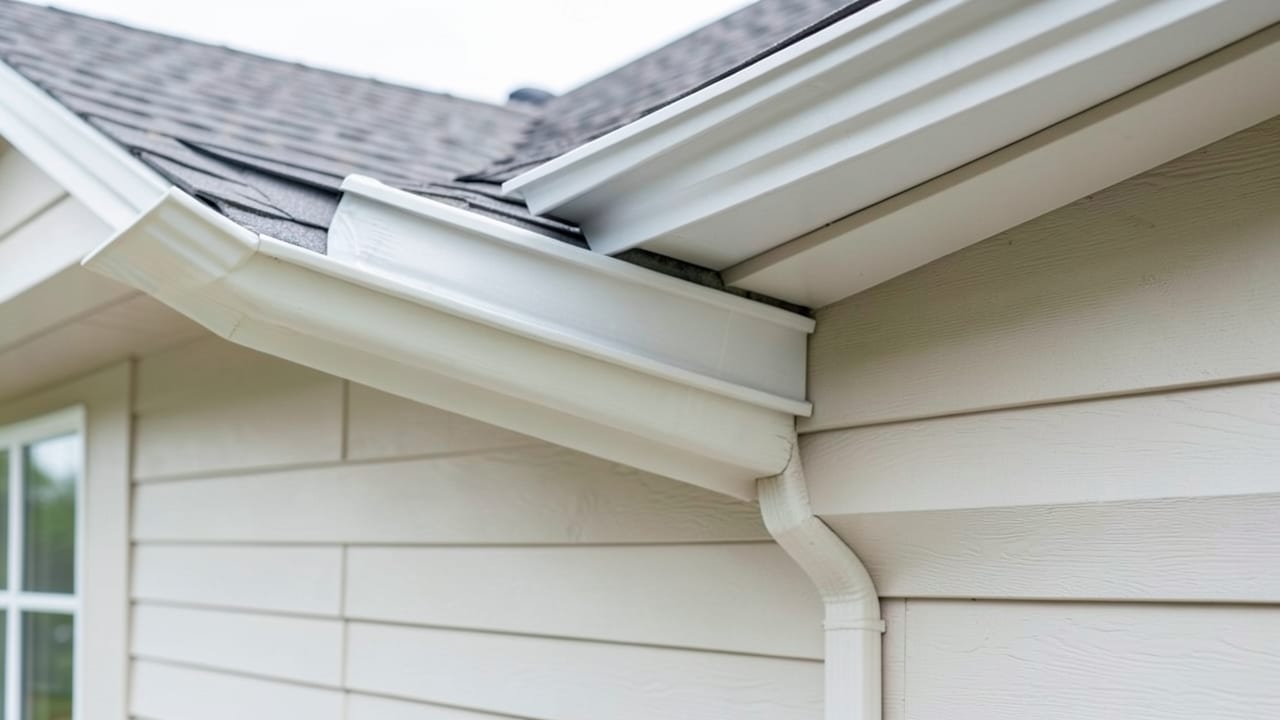
Hard Water Stain Gutter Cleaning in Mill Creek, WA
Removal of hard water stains and mineral buildup from gutters to restore appearance and function.
Learn More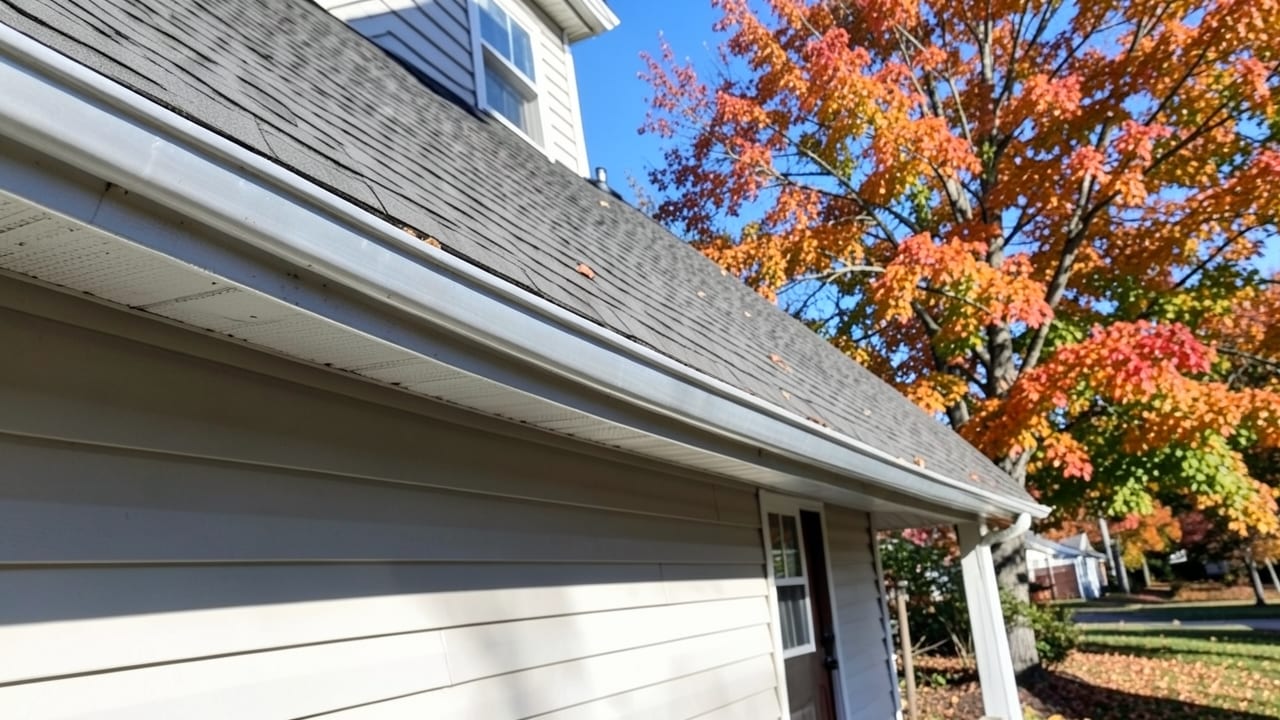
Pre-Winter Gutter Flush in Mill Creek, WA
Pre-winter gutter cleaning to remove debris and ensure proper drainage before cold weather.
Learn MoreCommon Questions About Gutter Cleaning in Mill Creek
Everything you need to know about gutter cleaning services in Mill Creek
How much does Gutter Heating System Installation typically cost in Mill Creek, WA?
How does tree cover around Mill Creek, WA change gutter maintenance needs?
How often do gutters actually need to be cleaned?
Do gutter guards eliminate the need for cleaning?
What are the signs that gutters actually need attention?
What actually happens if gutter cleaning gets skipped for a season?
Need Gutter Cleaning in Mill Creek?
Get a written quote from our Mill Creek crew.
⏰ We answer your call • Serving all of Mill Creek and surrounding areas