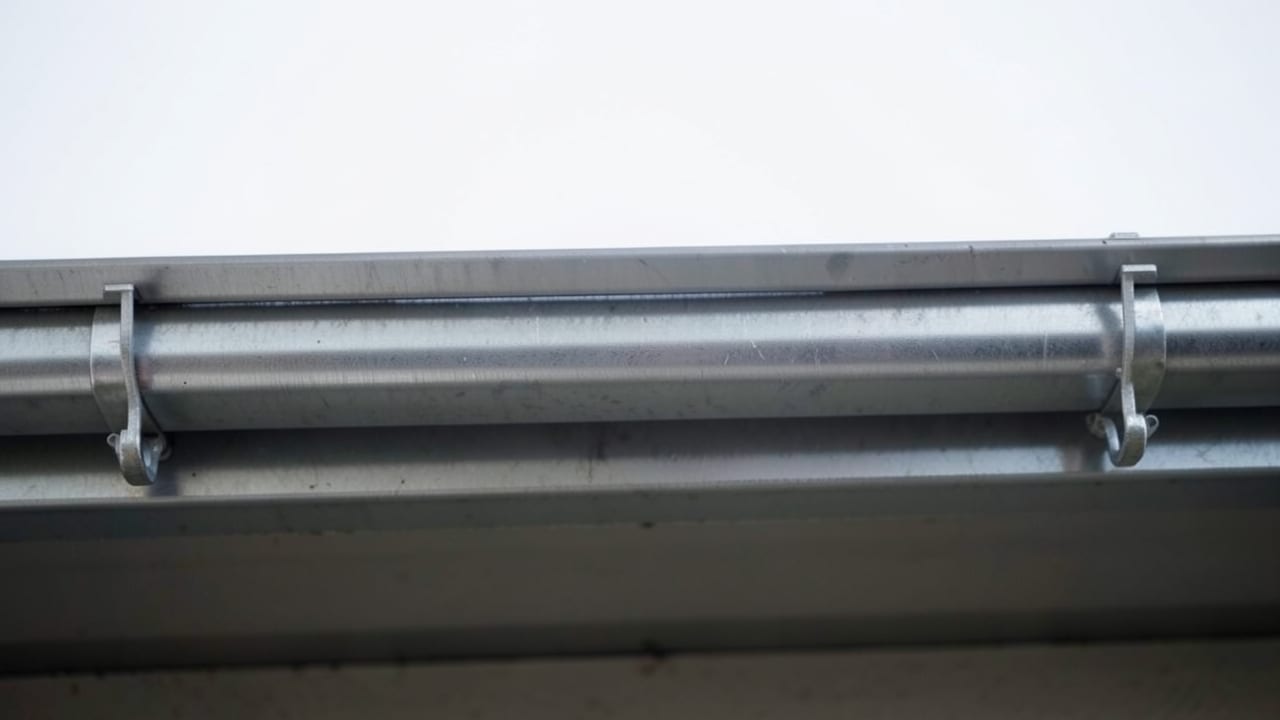
Sagging Gutter Reinforcement
Reinforcing sagging gutters to restore proper drainage and prevent water damage.
Sagging gutters in Mill Creek, WA, disrupt proper water flow and can lead to roof damage, foundation issues, or basement leaks. Reinforcement involves inspecting, repairing, or replacing hangers and brackets to restore stability and alignment. This service ensures gutters drain correctly, protecting your home from water damage during heavy rain or snowmelt in the Pacific Northwest’s wet climate.
When sagging gutters need reinforcement
Sagging gutters often signal deeper hardware issues rather than just debris buildup. If sections pull away from the fascia or water pools in the trough after storms, the hangers or brackets may need replacement. Rust holes, separated seams, or downspouts overflowing despite clear drainage also indicate sagging gutters require reinforcement—not just cleaning.
We also handle Storm Damage Gutter Cleanup and Gutter Replacement for Mill Creek properties.
A single sagging spot may mean one loose hanger, but multiple sections pulling away suggest a systemic problem with hanger spacing or fascia rot. Ignoring these signs can lead to costly water damage, as improper drainage causes leaks into walls, basements, or crawl spaces.
Signs Your Gutters Need Reinforcement
- Water pools in the gutter trough after rain or snowmelt, instead of draining toward the downspout.
- Gutters pull away from the fascia board in multiple spots, not just one isolated area.
- Rust holes or soft, flaking metal sections appear—indicating structural failure beyond cleaning.
- Downspouts overflow at the top even when clear of debris, suggesting undersized or improperly pitched gutters.
- Seams between gutter sections separate, or sealant fails, causing leaks or drips.
What affects reinforcement costs in Mill Creek
Reinforcement pricing depends on the extent of damage, roof size, and accessibility. Multi-story homes or steep roofs may require additional labor, while systemic issues (like rotted fascia) demand more extensive repairs. Debris removal and downspout clearing are often billed separately, so clarify these details upfront.
Avoid vague quotes lacking linear footage or story count—these factors significantly impact total costs. For example, a two-story home with sagging gutters across 200+ linear feet will cost more than a single-story repair. Always request a written scope outlining what’s included before work begins.
Common mistakes in gutter reinforcement
Fastening hangers only to the fascia trim—rather than the solid framing behind it—is a frequent error. Thin trim boards can’t support gutter weight during heavy rain or ice loads, leading to repeated sagging. Similarly, skipping a pitch adjustment leaves standing water, accelerating rust and seam failure.
Undersized downspouts or improper slope direction are often overlooked. A downspout too small for the roof area will overflow, while gutters pitched the wrong way trap water, causing long-term damage. Always verify these details during reinforcement to prevent recurring issues.
Fastening hangers into fascia trim instead of framing, ignoring gutter pitch adjustments, or using general caulk instead of gutter sealant at seams can lead to premature failure. Always insist on proper installation techniques to extend the life of repairs.
How sagging gutter reinforcement works
- 1Inspect Existing System
The technician examines the gutter run for pitch, hanger spacing, and fascia condition. Rotted fascia or incorrect slope is addressed first, as repairs won’t hold if the base is compromised.
- 2Remove or Measure Damaged Sections
Damaged gutters are removed, or new runs are measured for length, corners, and downspout placement. Custom cuts or seams ensure a precise fit to the roof edge.
- 3Install or Replace Hangars
New hangers are spaced consistently (typically 18–24 inches apart) and fastened into solid framing, not just trim. Closer spacing is used in high-snow areas like Mill Creek to prevent future sagging.
- 4Set Proper Pitch and Seal Connections
The gutter is adjusted to a 1/4-inch-per-10-foot slope toward the downspout. Seams and downspout connections are sealed with gutter-specific sealant, not caulk, and tested for leaks.
- 5Final Debris Removal
All debris is cleared, and the system is inspected one last time. Downspouts are checked for proper flow, and any remaining issues (like minor rust) are noted for future monitoring.
Frequently asked questions
Why does my gutter sag after cleaning if it was fine before?
Cleaning alone doesn’t address hardware failure. Sagging usually means hangers or brackets have loosened or failed, often due to heavy rain, ice, or rotten fascia. Reinforcement re-secures or replaces these components to restore stability.
Will reinforcing my gutters fix a downspout that overflows during storms?
Not always. Overflowing downspouts may indicate undersizing for your roof area or a blocked drain. Reinforcement ensures proper gutter flow, but the downspout itself might need resizing or clearing to handle water volume.
How often should I check for sagging after reinforcement?
After severe storms, inspect gutters for loose hangers or separated seams. Periodic checks (every 6–12 months) catch issues early, especially in Mill Creek’s wet climate, where moisture accelerates wear.
Do I need a permit for gutter reinforcement in Mill Creek?
Washington state typically doesn’t require permits for minor repairs, but structural changes (like fascia replacement) may. Always confirm with local building codes, as requirements can vary by jurisdiction.
Where Mill Creek sits, and what the Census lists nearby
Mill Creek sits in Washington, and the closest places listed in the U.S. Census Gazetteer are Martha Lake (1.8 miles southwest), Lake Stickney (2.1 miles west), Mill Creek East (2.3 miles southeast), Larch Way (2.5 miles southwest). Within 25 miles of Mill Creek the same source lists 96 distinct incorporated places and census-designated places. Those figures matter for sagging gutter reinforcement because they are straight-line distances between Census coordinate points: road mileage between Mill Creek and Martha Lake runs longer than the 1.8 miles shown, which is why quotes for the same job differ between towns that look close together on a map. Source: U.S. Census Bureau Gazetteer.
See Martha Lake, WA for more, or check out our full crew's Mill Creek services in one place for our complete lineup.
Ready to get started?
Talk to a local gutter cleaning pro in Mill Creek — get a written quote.
Other Gutter Cleaning Services in Mill Creek
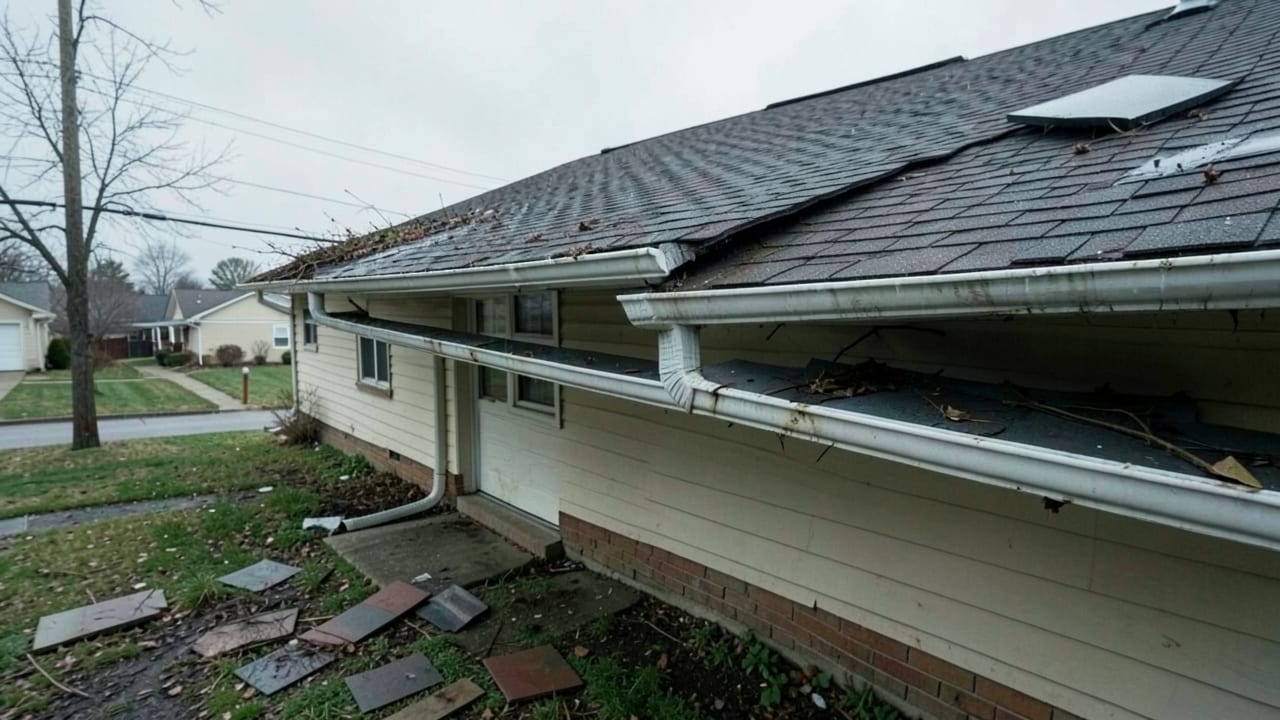
Storm Damage Gutter Cleanup in Mill Creek, WA
Storm damage gutter cleanup in Mill Creek, WA clears debris and repairs sections torn loose or bent by wind, hail, or heavy rain.
Learn More
Gutter Replacement in Mill Creek, WA
Full gutter replacement in Mill Creek, WA — new seamless aluminum gutters and downspouts when repair is no longer cost-effective.
Learn More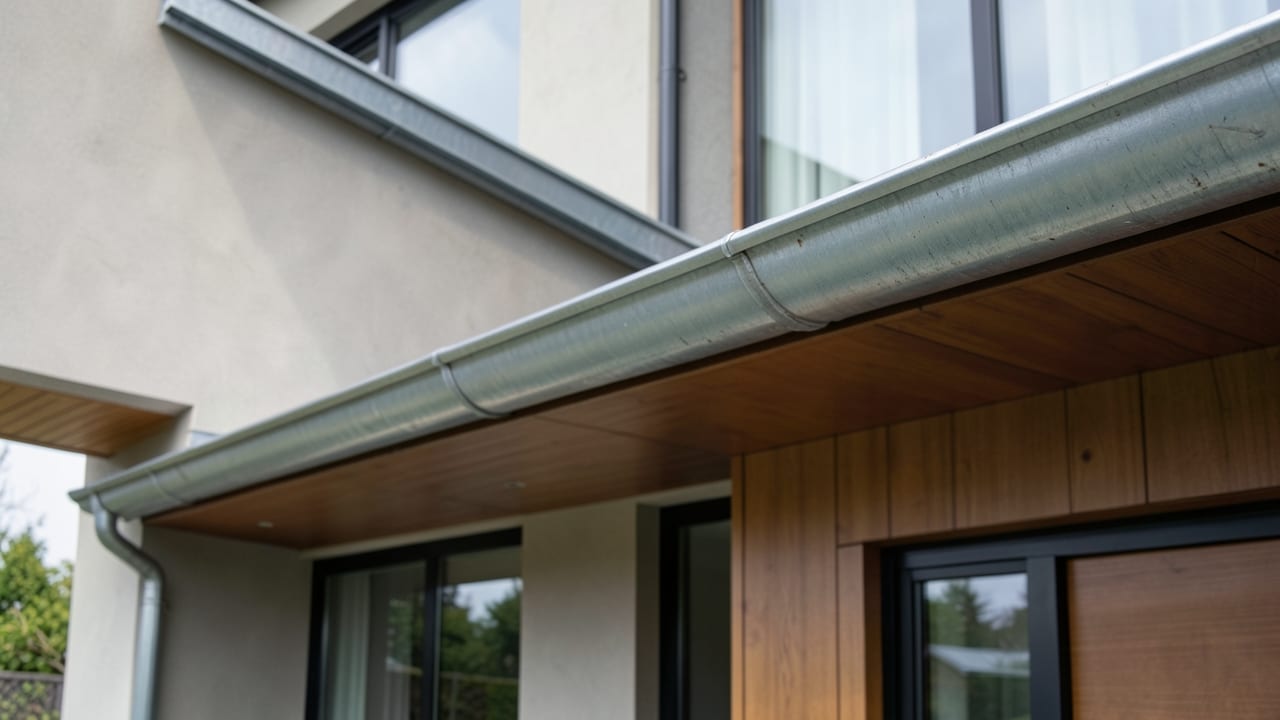
Seamless Gutter Installation in Mill Creek, WA
Seamless gutter installation in Mill Creek, WA — aluminum gutters formed on-site to the exact run length, no sectional seams to leak.
Learn More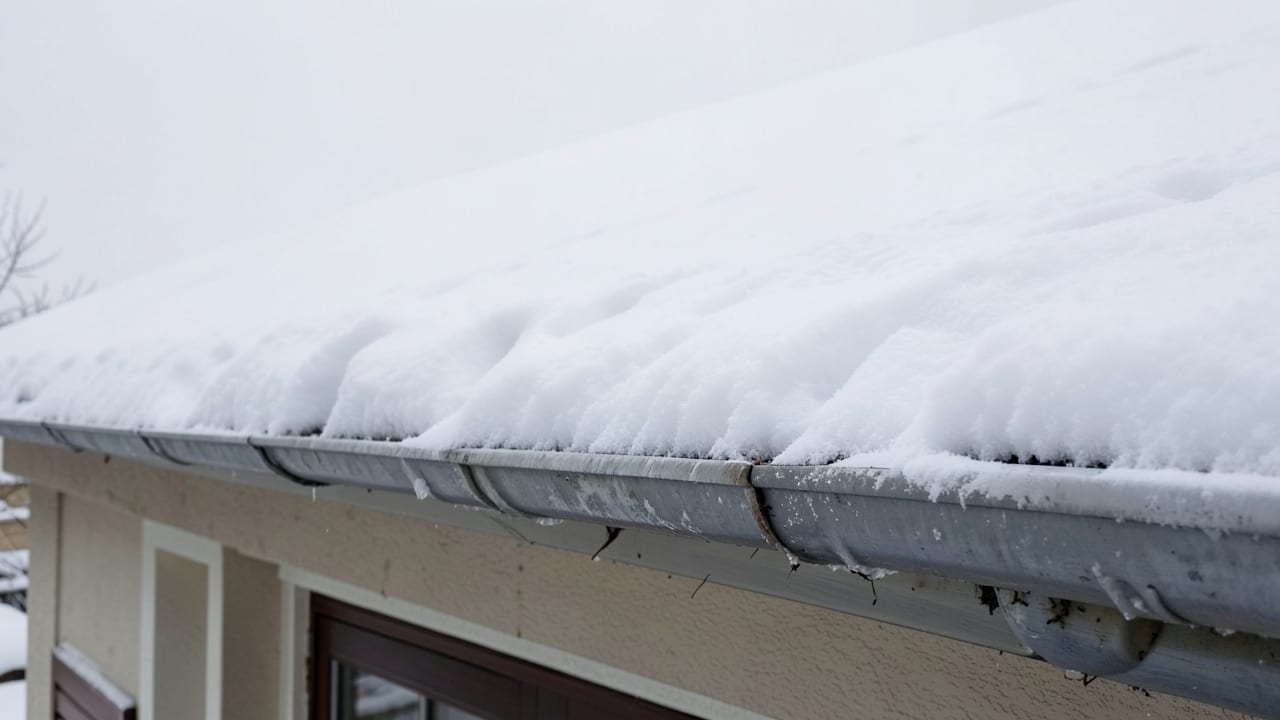
Ice Dam Removal in Mill Creek, WA
Ice dam removal in Mill Creek, WA clears ice buildup at the roof edge before it backs water up under shingles.
Learn More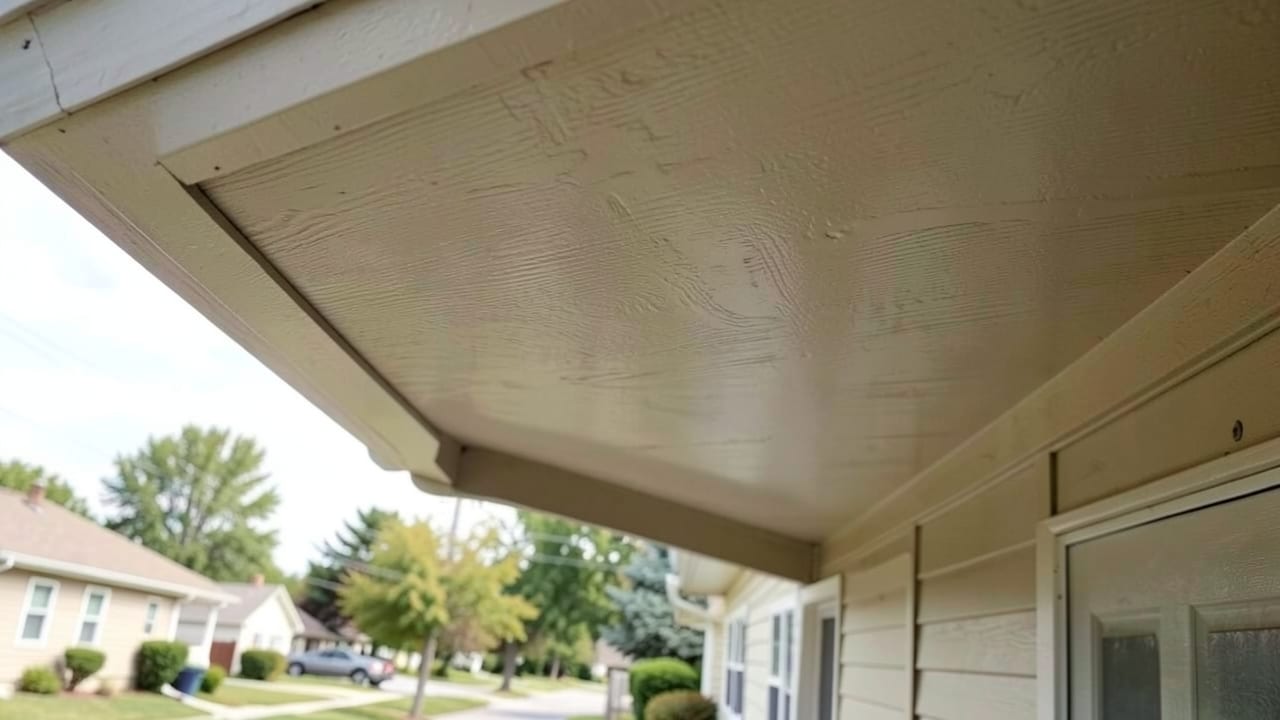
Fascia & Soffit Repair in Mill Creek, WA
Fascia and soffit repair in Mill Creek, WA fixes the trim boards gutters mount to, often damaged by long-term overflow or water intrusion.
Learn More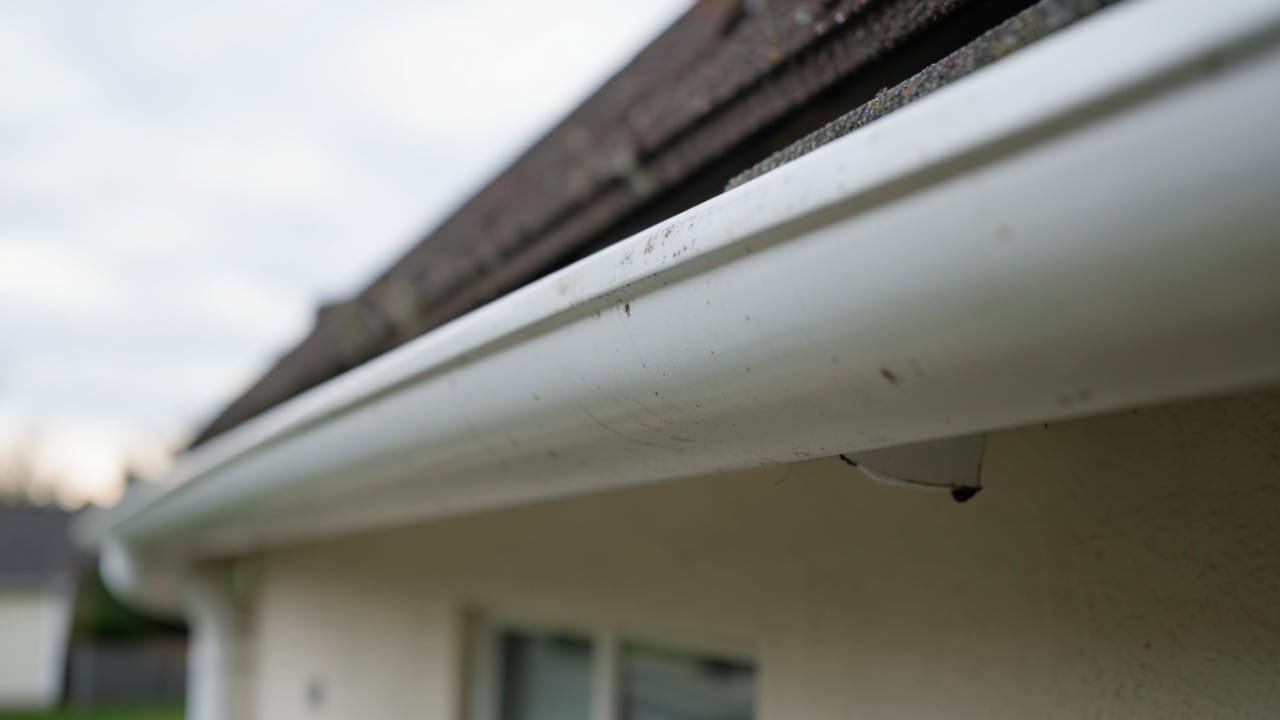
Vinyl Gutter Installation in Mill Creek, WA
Professional installation of vinyl gutters to direct rainwater away from the home.
Learn MoreCommon Questions About Gutter Cleaning in Mill Creek
Everything you need to know about gutter cleaning services in Mill Creek
How much does Sagging Gutter Reinforcement typically cost in Mill Creek, WA?
How does tree cover around Mill Creek, WA change gutter maintenance needs?
Do gutter guards eliminate the need for cleaning?
What are the signs that gutters actually need attention?
What actually happens if gutter cleaning gets skipped for a season?
Is cleaning gutters a reasonable DIY project?
Need Gutter Cleaning in Mill Creek?
Get a written quote from our Mill Creek crew.
⏰ We answer your call • Serving all of Mill Creek and surrounding areas